Hypertrophy And Or Hyperplasia: Dynamics Of Fat Development Plos Computational Biology Although the blood examples from this subgroup were obtained 1-- 2 months after the surgical procedure, there might still be some modifications in blood chemistry related to the surgery. Moreover, whole-body insulin level of sensitivity evaluations with sugar clamps were available only in a part of participants (29 non-diabetic subjects and 30 type 2 diabetic topics), and it was not performed in the individuals undertaking surgery. When the body is at remainder and a person starts exercise, the plasma fatty acids levels will decrease due to the fact that the price of lipolysis does not stay on top of using plasma fat.
What Can I Expect If I Have Weight Problems?
Resistin, the most just recently found of the major adipocyte-derived hormonal agents, was independently identified by two research laboratories. In one case, the gene coding for this novel endocrine aspect was determined in a screen for genetics inhibited by TZD medications and was named "resistin" because it caused insulin resistance (163 ). One more team recognized the very same gene in a screen for genetics revealed solely in adipocytes and induced during adipogenesis; they called it ADSF, for adipose tissue-specific secretory aspect. In this research, the item of the genetics was revealed to hinder distinction of adipocytes in vitro (164 ), later on confirmed in a separate research study (165 ). 7) Oxidation of fats in the Beta-oxidation path and the tricarboxylic acid (TCA, or Kreb's) cycle. 6) Transportation of fatty acids into the mitochondria, which is initial developed into an acyl-CoA complex by acyl CoA synthetase and after that delivered across the mitochondrial membrane layer. Excess fat tissue creates chronic, low-grade swelling, putting an overweight individual in danger of serious health issues. Fat accumulation in the liver leads to non-alcoholic fatty liver condition, hindering the liver's capability to process toxic substances and control blood glucose.What burns fat on the body?
Medication For Weight-loss
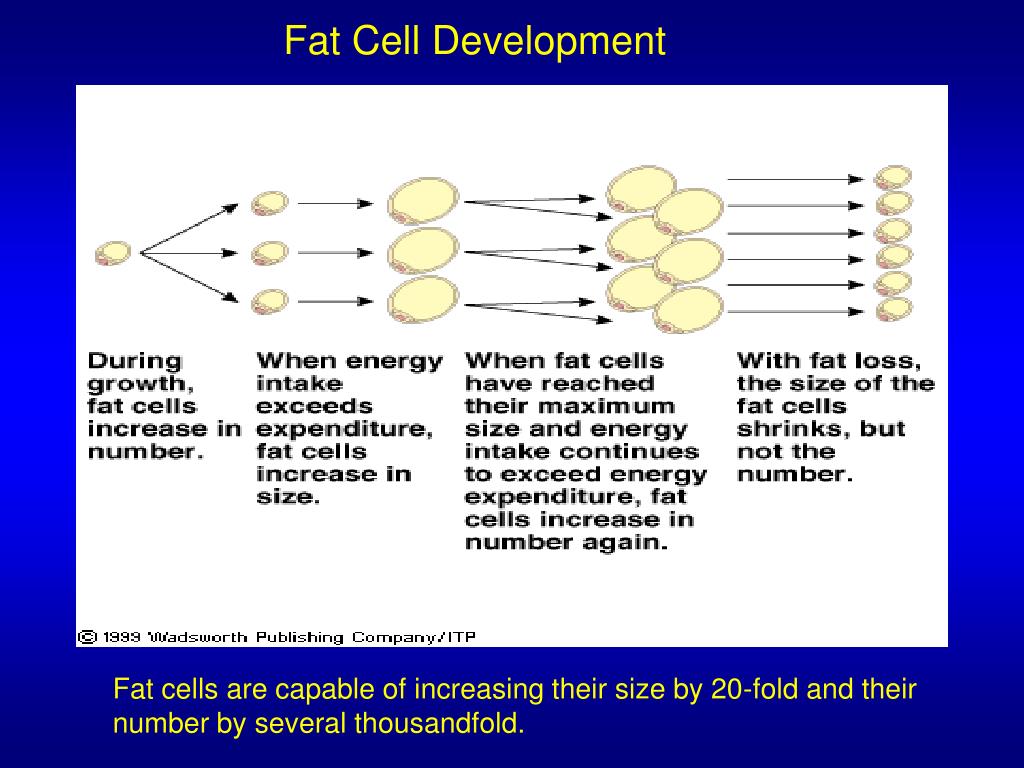
Current proof from a mouse model of high-fat diet regimen (HFD)- induced insulin resistance shows that PAHSAs act through both straight and indirect devices to improve insulin sensitivity in multiple metabolic tissues, such glycolytic skeletal muscle mass, heart, liver, and AT. In WAT explants, PAHSAs directly prevent lipolysis and improve insulin's ability to subdue lipolysis. While PASHAs can likewise straight inhibit endogenous glucose manufacturing (EGP) in separated hepatocytes, the decreased AT lipolysis indirectly attenuates EGP due to decreased glycerol (gluconeogenic substrate) distribution to the liver (50 ). Various other searchings for do not sustain the AT expandability theory and indicate that greater adipogenesis does not necessarily signify improvements in metabolic health and wellness. Adiponectin's extensively reported anti-hyperglycemic, anti-atherogenic, and anti-inflammatory impacts have actually made it an attractive therapeutic target for the treatment of excessive weight and insulin resistance. However, efforts to develop therapies targeting adiponectin function have been impeded by its complex structure and law (117 ). In 1949 spontaneously taking place overweight children in a Jackson Laboratories' non-obese computer mouse colony were figured out to be homozygous for a recessive mutation, described "obese" (ob) (76 ). These ob/ob mice appear normal at birth, but quickly begin getting excess fat mass and displaying hyperglycemia and hyperinsulinemia (77 ). In the 1950s, ob/ob computer mice and their non-obese littermates went through parabiosis experiments, where two pets are surgically joined (normally by abdominal muscle or a long bone of the leg) to permit the exchange of entire blood between them (78 ). Weight gain was hindered in ob/ob mice parabiosed with non-obese littermates, providing evidence that the ob/ob genetics item was a circulating variable transferred from the blood of the lean littermate.- Adipogenesis refers to the procedure whereby precursor cells set apart and come to be committed to saving lipid and preserving power homeostasis as adipocytes.Even though the blood samples from this subgroup were obtained 1-- 2 months after the surgery, there could still be some adjustments in blood chemistry related to the surgical procedure.Additionally, comparisons were made between non-diabetic and kind 2 diabetic person topics.This in-depth information, compared with the mean cell dimension and overall cell number, can be utilized to compute numerous size-related quantities that permit a better characterization of the fat growth process.Additionally, these researches might expose if WAT function is a cause or repercussion of the MHO and MUO phenotypes.